Brand management inside a global firm is a coordination problem disguised as a creative one . The work is rarely about a single deliverable. It is about hundreds of partners, dozens of practices, and one consistent voice.
We built a prototype that asked a simple question. If the creative system could brief itself, what would the partners do with the time back?
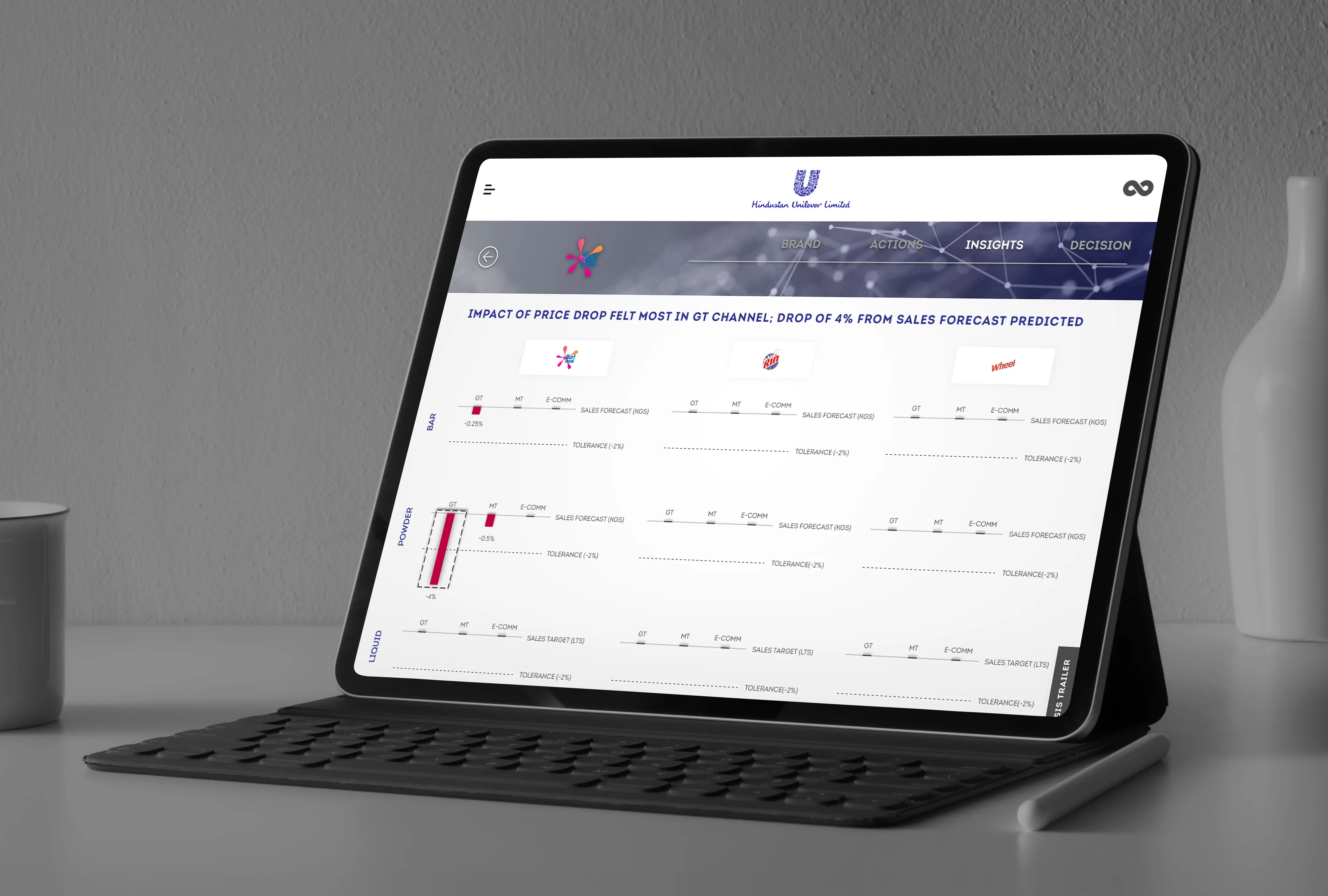
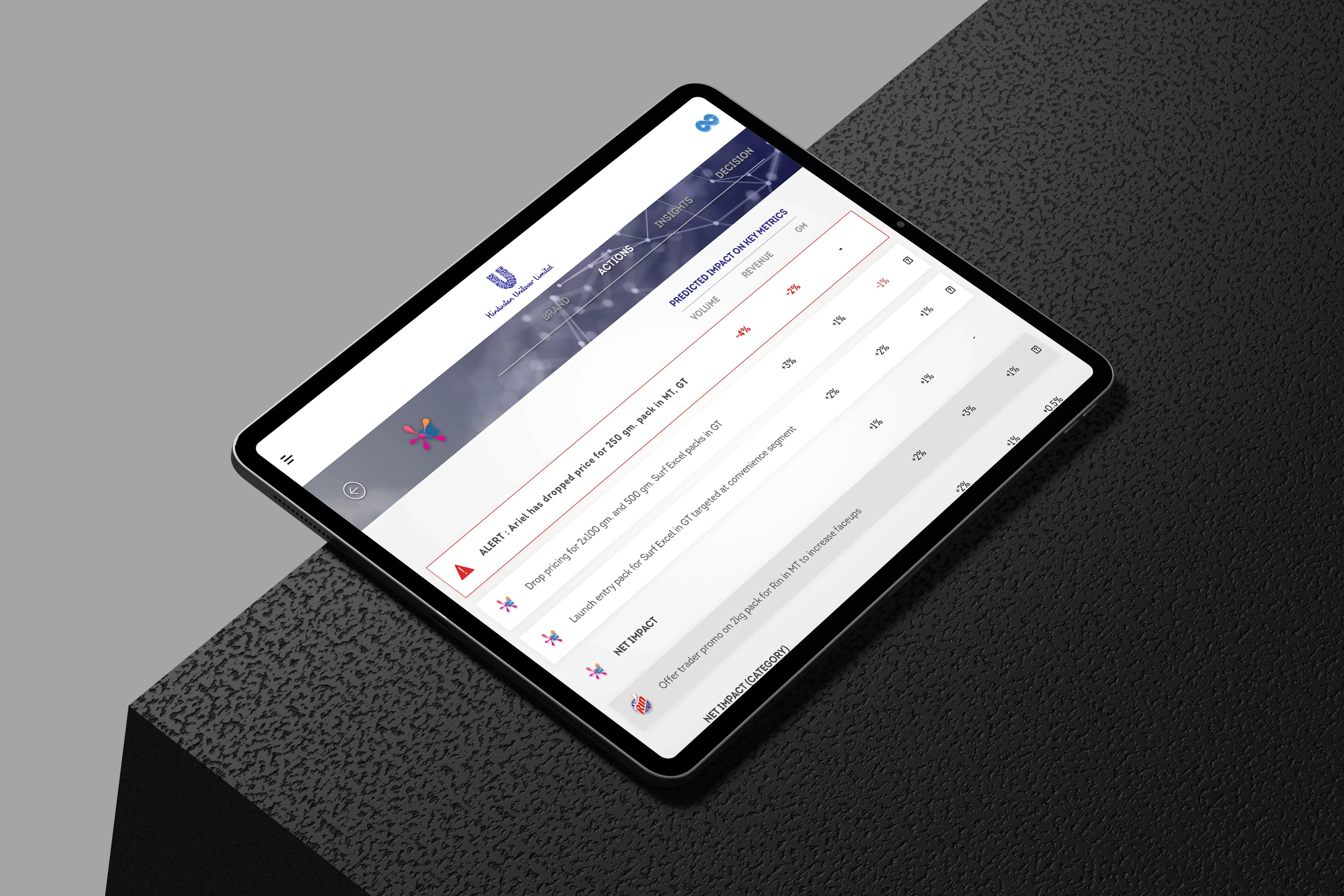
Most enterprise brand work assumes a centre that produces and a periphery that consumes. The centre writes the guidelines. The periphery applies them, badly, in PowerPoint. We argued the opposite. The brand should sit in the system, not in the deck. Anyone in the firm should be able to commission a compliant asset without speaking to the centre at all. A working interface. A partner types a brief in plain English. The system returns a deck, a one-pager, and a social cut, all on brand, all editable, all traceable to the source guideline. The partner can ship in the time it used to take to get the meeting.
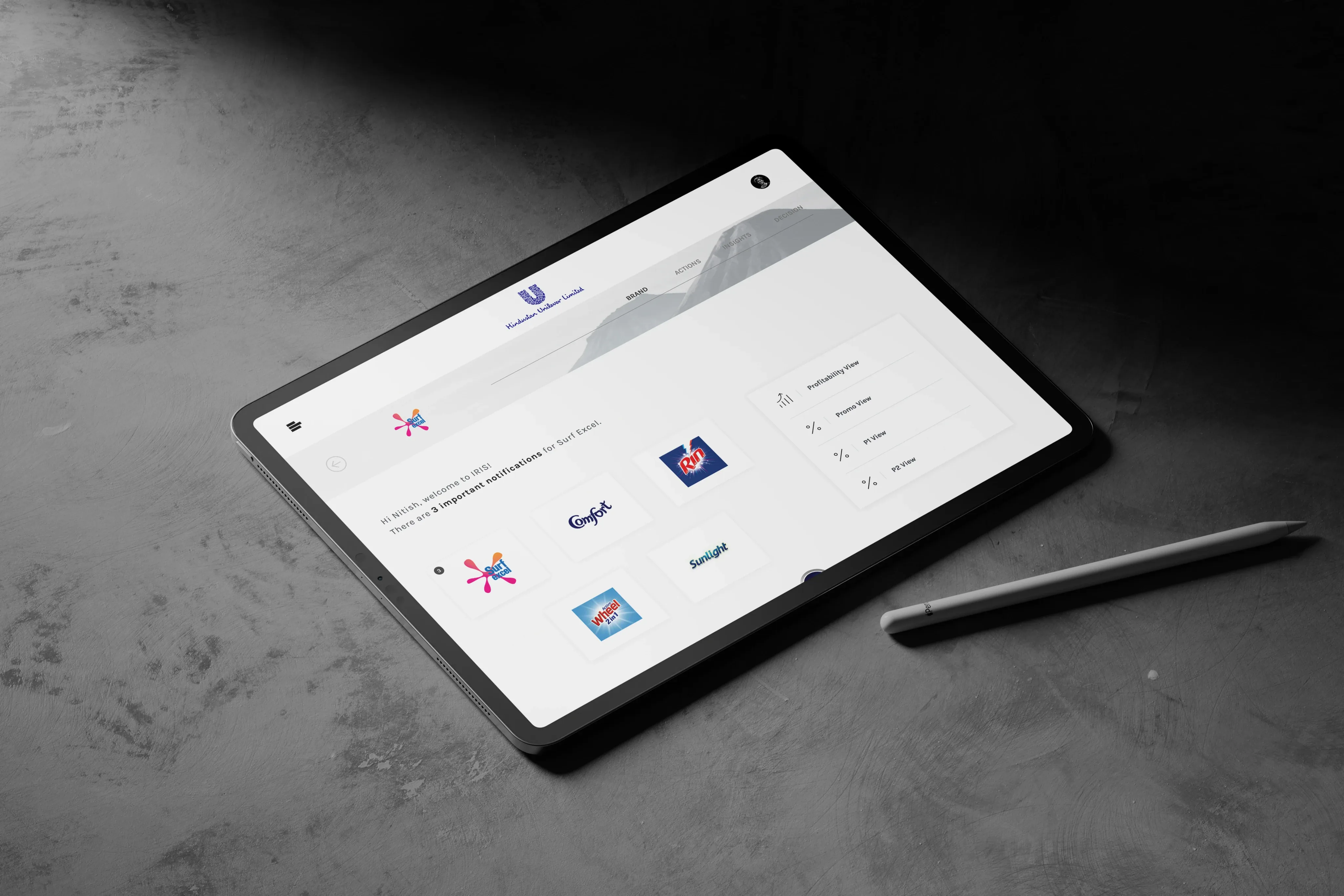
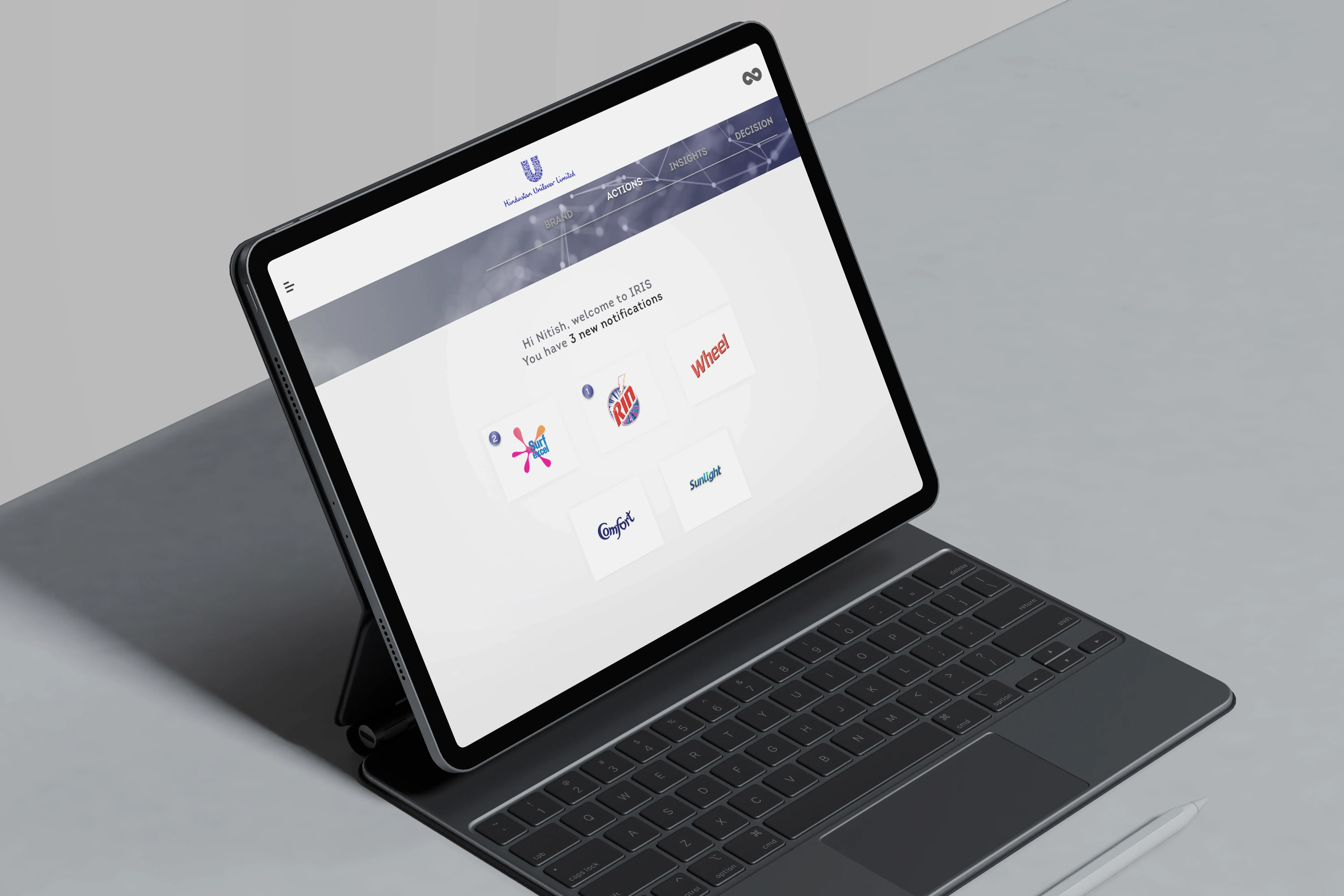
The proposition wasn't about replacing creative judgement. It was about removing the parts of the brand operation that don't need judgement at all . The interesting work is what people do with the time they get back.
Investment analysis,
done by agents.